
NO MORE NAILS
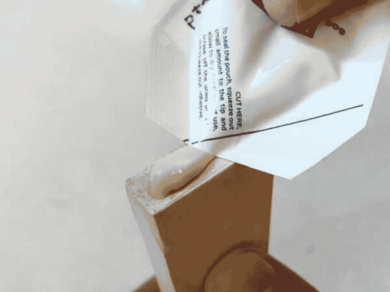
Bostik No More Nails is a multi-purpose construction adhesive designed for strong, nail-free bonding in general construction and repair work. This No More Nails adhesive offers high bond strength, strong initial grab, gap-filling performance, and good resistance to water and temperature. The flexible synthetic rubber-based formula bonds a variety of construction materials and is suitable for interior and exterior applications. It is available as a No More Nails tube / cartridge, as well as 100gm and 30gm sachets.
Beige
Features & Benefits
No More Nails is a nail-free general purpose construction adhesive with high initial grab and high bond strength.
Surface Compatibility
Bostik No More Nails glue bonds to timber, metal, brick, masonry, concrete, cementitious sheets, plaster sheets, foamed polystyrene, and mirror backed tiles. This Bostik adhesive is suitable for many common building materials when surfaces are clean, dry, and free from grease, oil, dust, loose paint, or flaking coatings.
Smart advantages

Nail free general construction adhesive
High bond strength
Excellent adhesion and sealing properties
Excellent green strength
Good temperature resistance
Chemical resistant
Good slump resistance
Bonds a variety of construction and building materials
Ideal for interior and exterior applications
Easy to use and cost effective
Documents & Resources
Bostik DIY Philippines Bond - No More Nails Technical Data Sheet (1.55 MB)
Bostik DIY Philippines Bond - No More Nails Safety Data Sheet (143.58 KB)
How to use
Make sure both surfaces are clean, dry and free from grease, oil and dust. Remove any loose or flaking paint and lightly sand the surface before application. Apply a 4–6mm bead of adhesive to one prepared surface using a cartridge or extrusion gun. Keep beads no more than 45cm apart, then bring both surfaces together immediately. For the two-way method, press surfaces together, pull apart, allow 3–5 minutes to tack off, then reposition and press firmly. For heavier panels, clamp, nail or screw the materials in place to maintain contact while the bond develops.
Applications
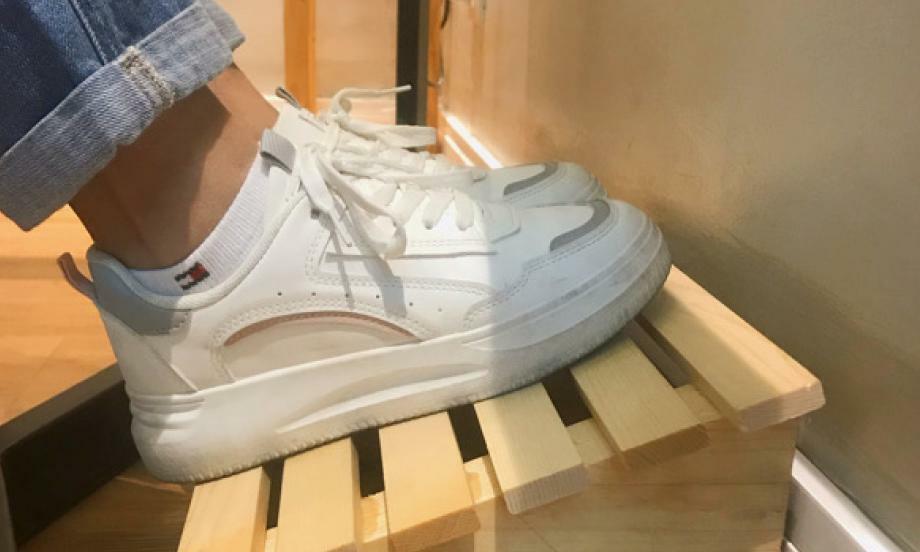
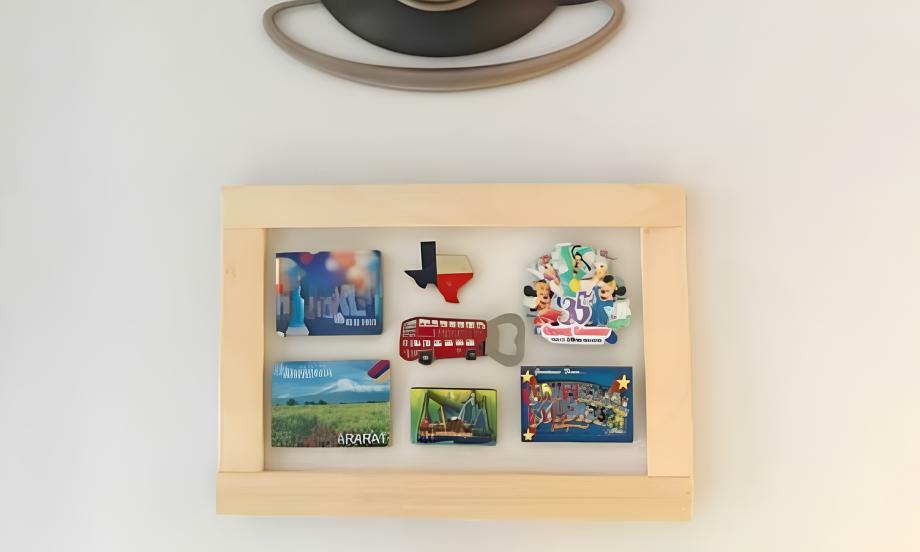
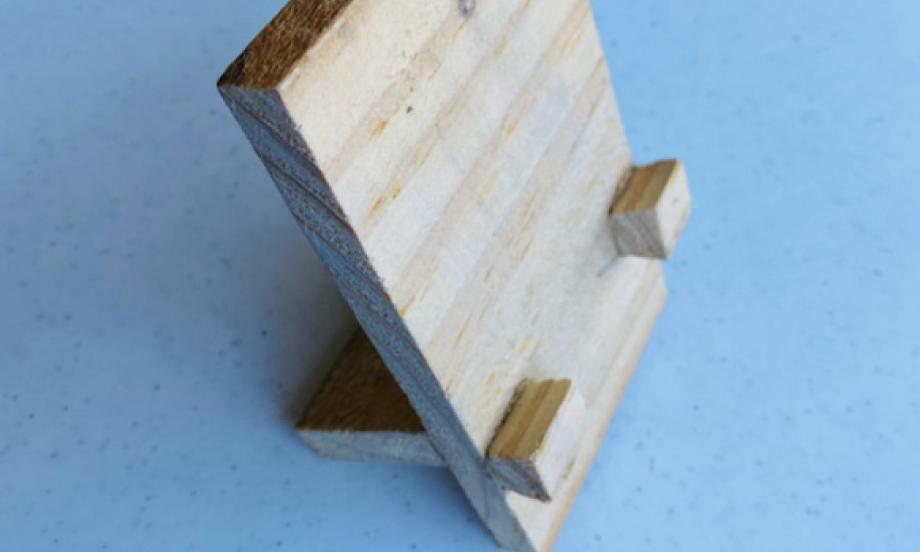
This no nails adhesive can be used for installing wall and floor panels, bonding timber, metal, cementitious sheets, and plaster sheets to timber or metal studs, and fixing battens or other fittings to brick, masonry, or concrete walls. It can also be used as a general-purpose construction adhesive for DIY building tasks and to help reduce floor squeaks by applying adhesive into board grooves before fitting the next board.
Limitations
Always test before bonding with this nail free glue. Do not apply when substrate surface temperatures exceed 30°C, and do not use where the bond will be exposed to continued elevated temperatures. Some PVC materials may be affected by plasticiser migration. Veneer plywood may also be affected if solvent soaks through the ply and causes bubbling of the veneer. Wet or partially wet adhesive can be removed by scraping, while dried adhesive is best removed with a scraper or by sanding.


FAQs
What are the recommended uses of No More Nails?
- As a contact adhesive for installation of wall and floor panels
- Most bonding applications where high strength, gap filling, one component adhesive is required
- Timber, metal, cementitious and plaster sheets to timber or metal studs
- Installation of battens or other fixings to brick, masonry or concrete walls
- General-purpose construction adhesive
- Suitable to use on foamed polystyrene
- Ideal for mirror backed tiles
What are the safety tips when using No More Nails?
- If working in an area with poor ventilation or in a confined area, we recommend a mask be worn.
- Avoid contact with skin, eyes and avoid breathing in vapour.
- If swallowed contact doctor. If skin contact occurs, wipe off excess and remove contaminated clothing. Wash affected area thoroughly with soap and water.
What is the working time (initial contact) of No More Nails?
5-10 minutes depending on the temperature
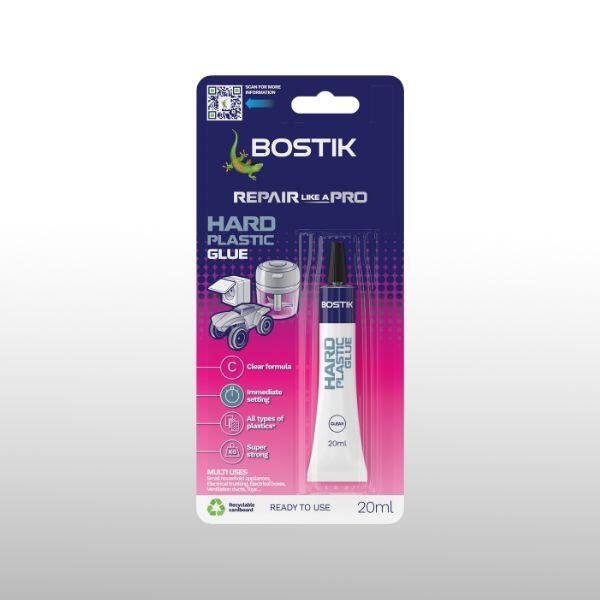
Stuck on what glue to use?

Use this guide to find out what product to use for your job.
Start the Glue Guide