
GREEN STIK
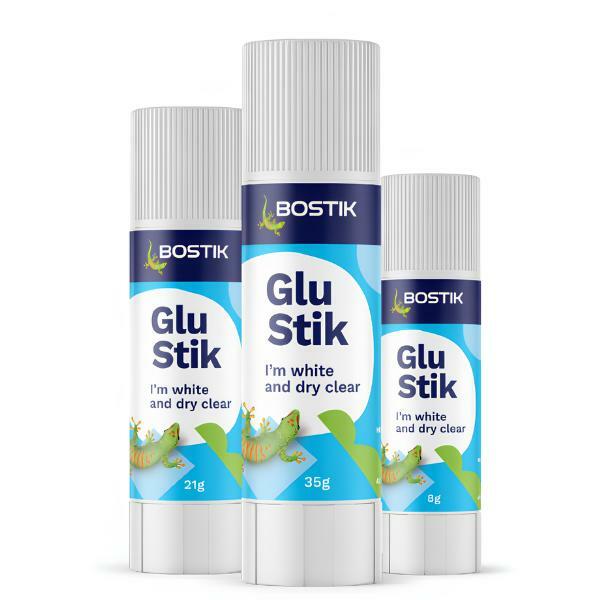
More sustainable general-purpose adhesive stick

White
Product overview
- Kinder to the environment: 77% natural ingredients in a 70% recycled container, using a label printed with soy inks.
Features & benefits
-

Can be curbside recycled; lid must be attached to the base
-
Smooth stick that is easy to apply
-
Acid free – doesn’t yellow or corrode materials
-
Non-toxic, suitable for the family
-
No mess or waste
-
Does not contain wheat, flour, egg or nut products. Does contain corn and/or potato starch. May contain gluten.
-
Tested in accordance with EN71 Safety of Toys.
Downloads & resources
Bostik DIY Australia Create - Green Stik Technical Data Sheet (473.08 KB)
Bostik DIY Australia Create - Green Stik Safety Data Sheet (100.85 KB)
How to use
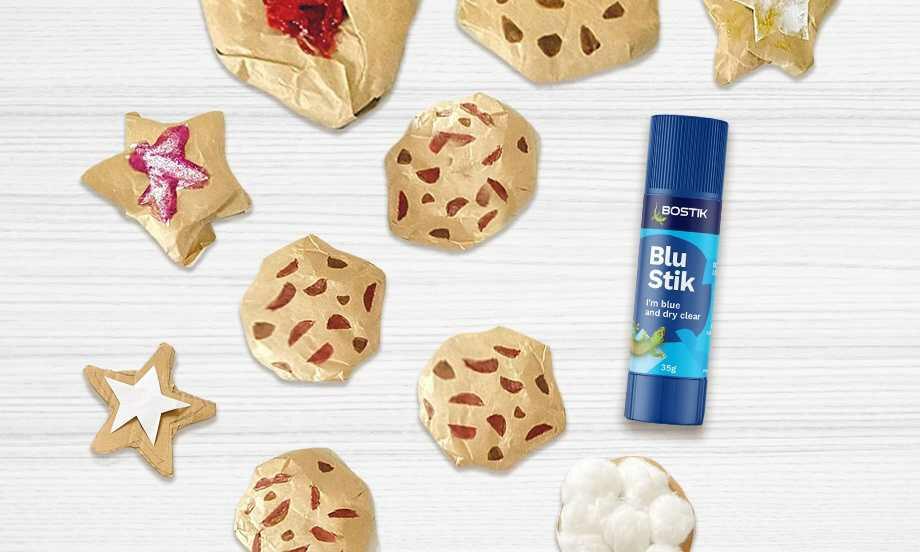
Bostik Green Stik can be used for scrapbooking, cut and paste activities, paper craft, invitations, art and craft projects and dry mounting photography. It's ideal for:
- Paper
- Cardboard
- Fabric
Related tutorials
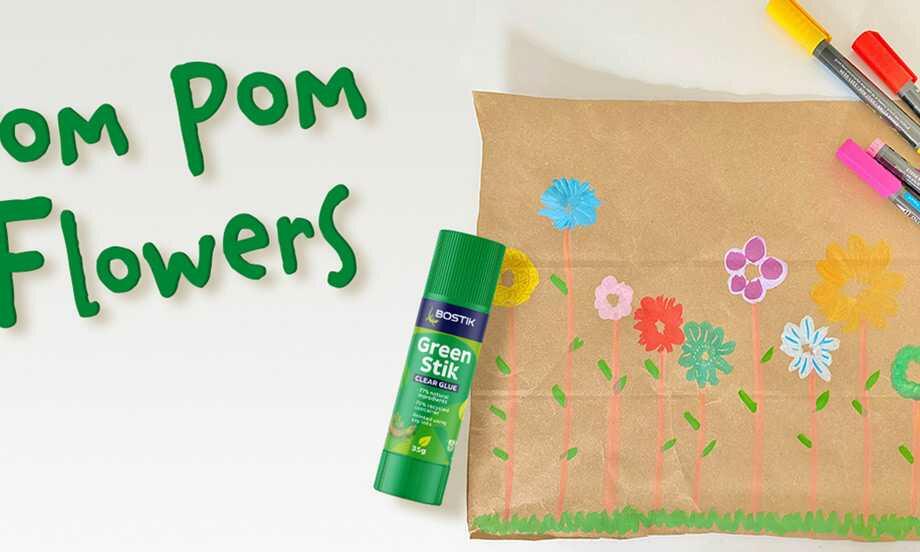
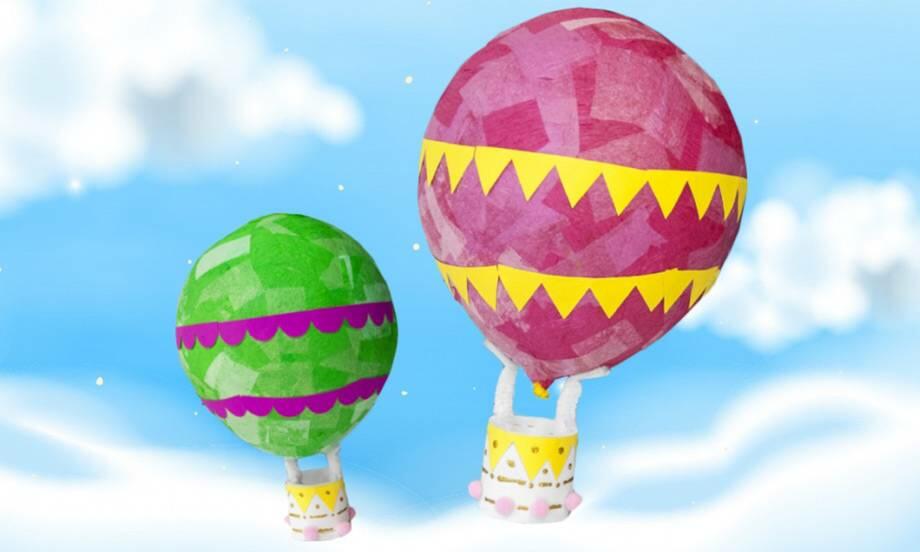
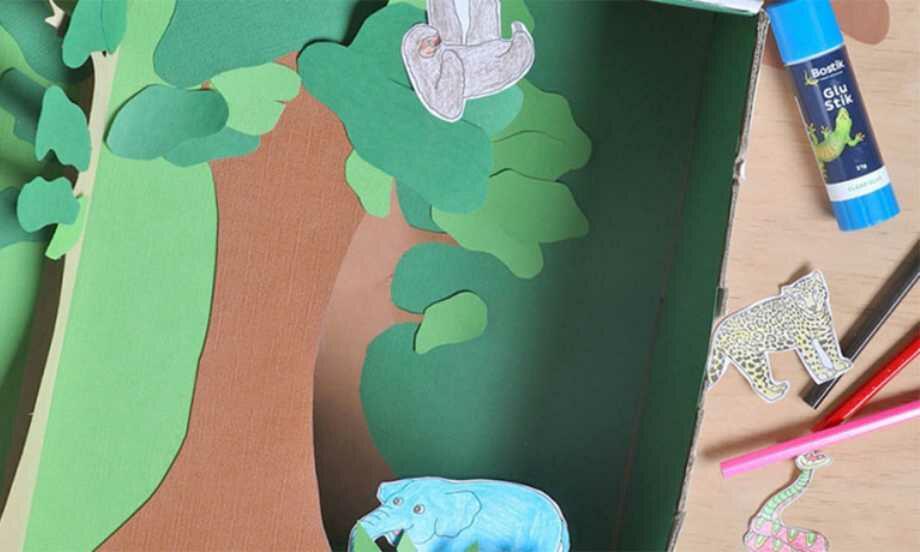
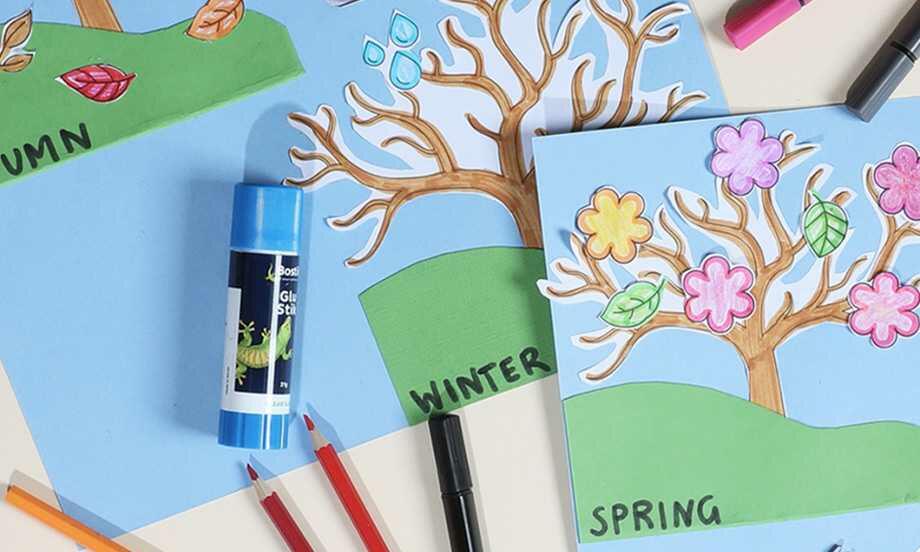
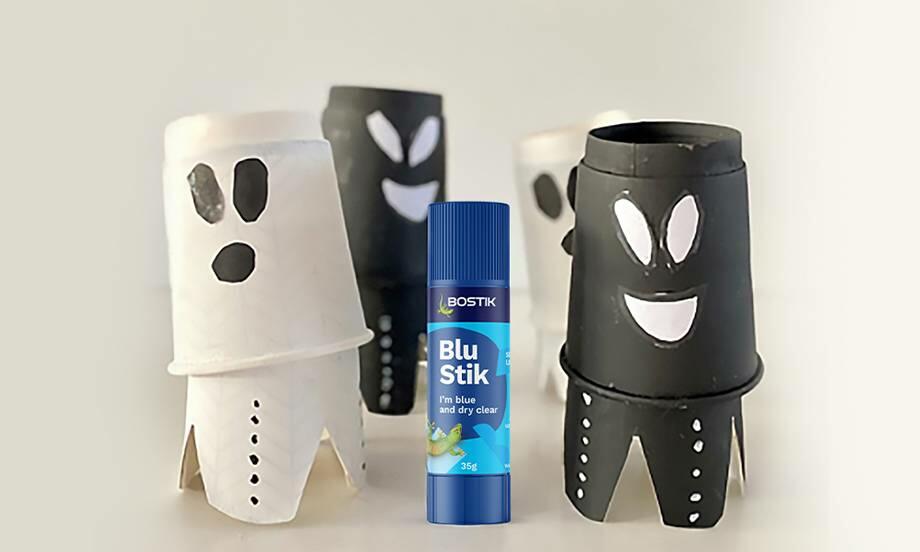
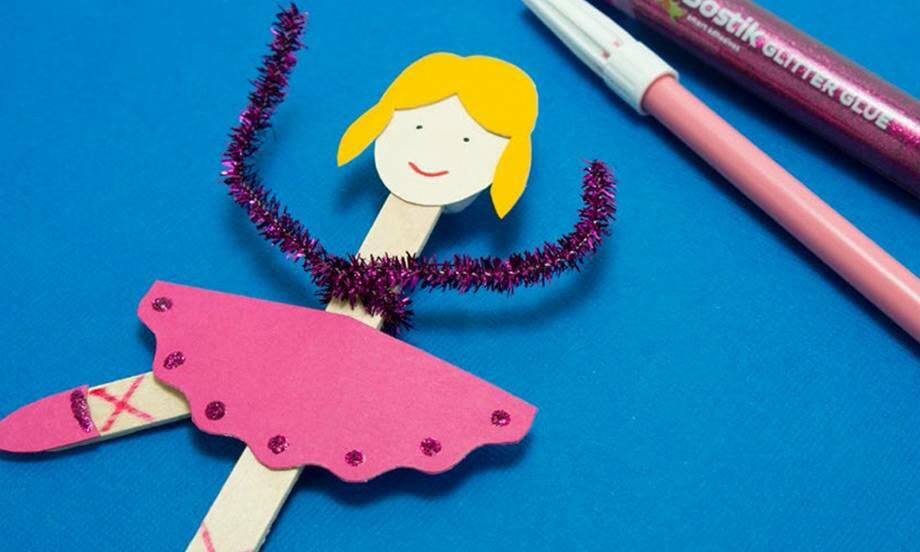
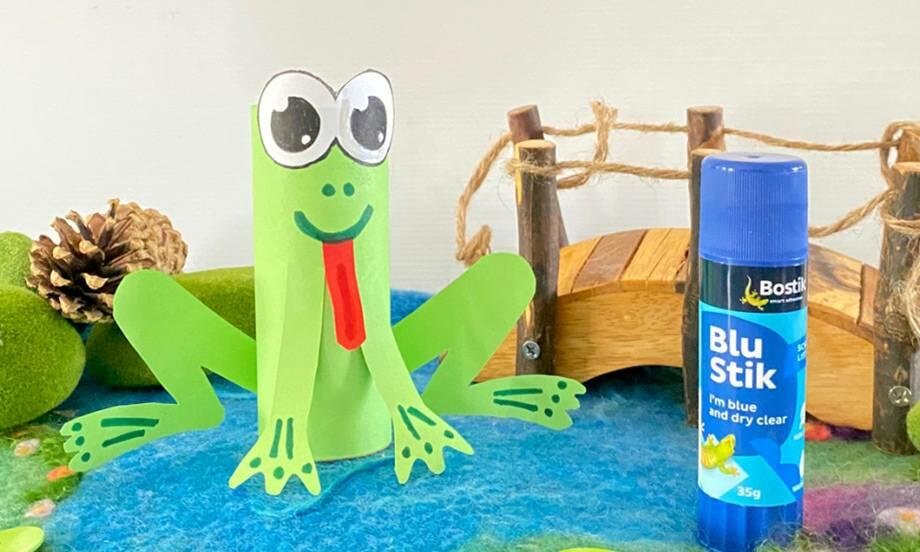
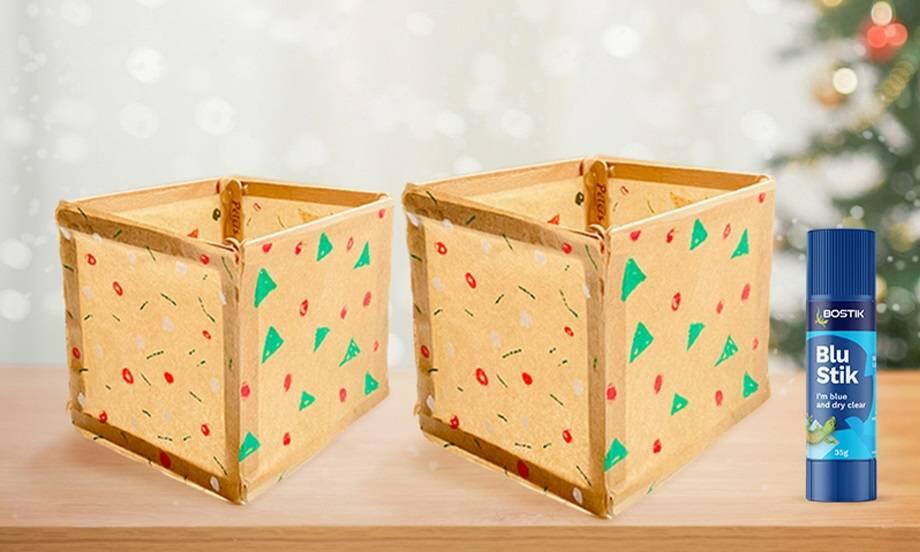
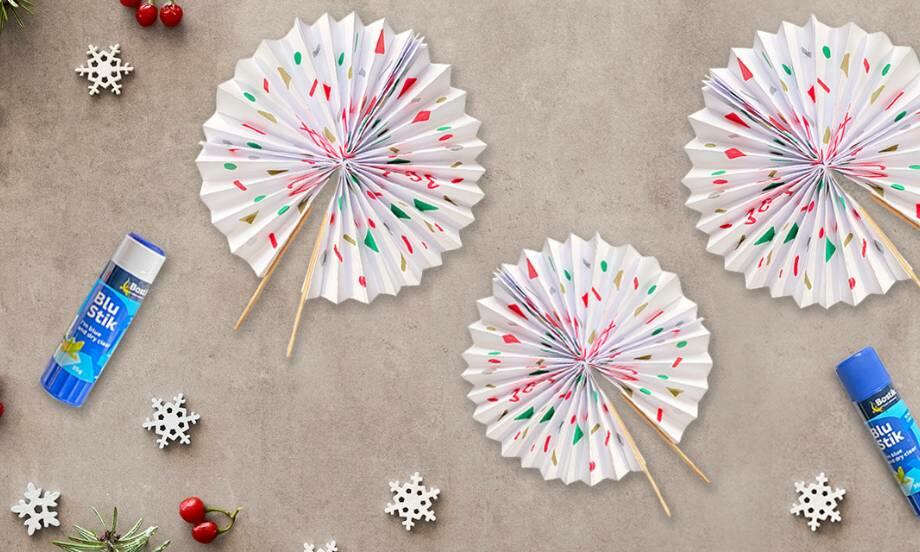
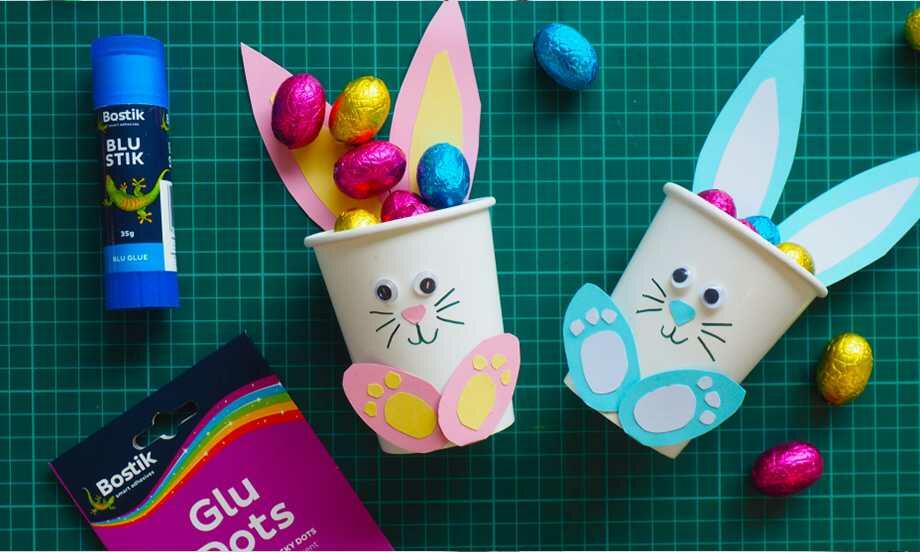
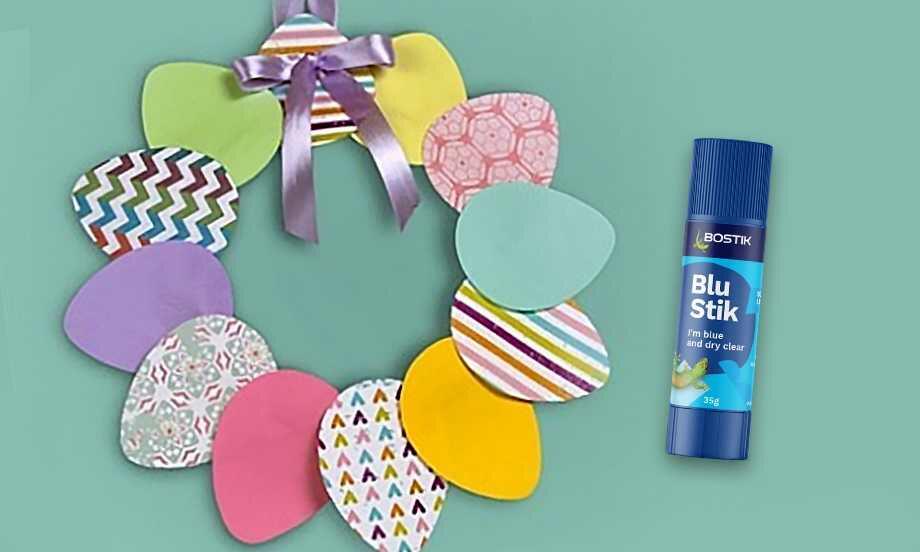
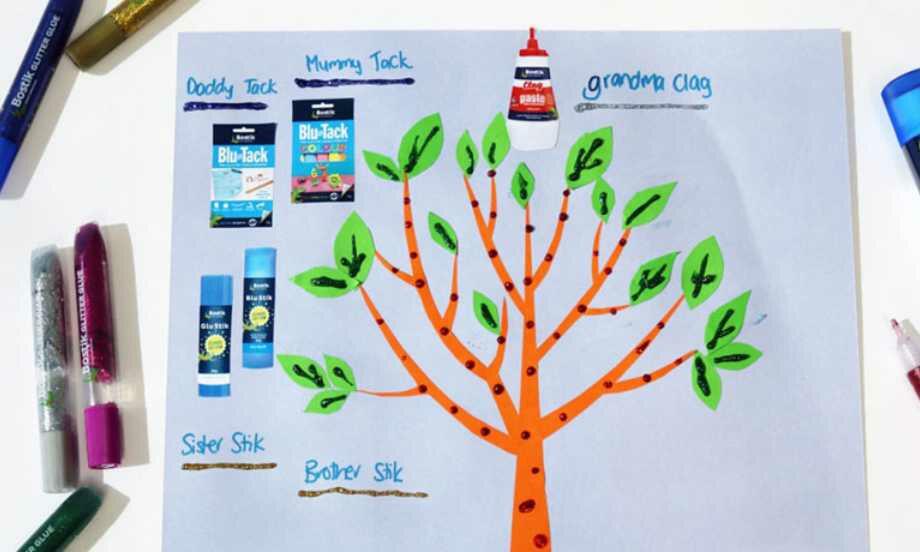


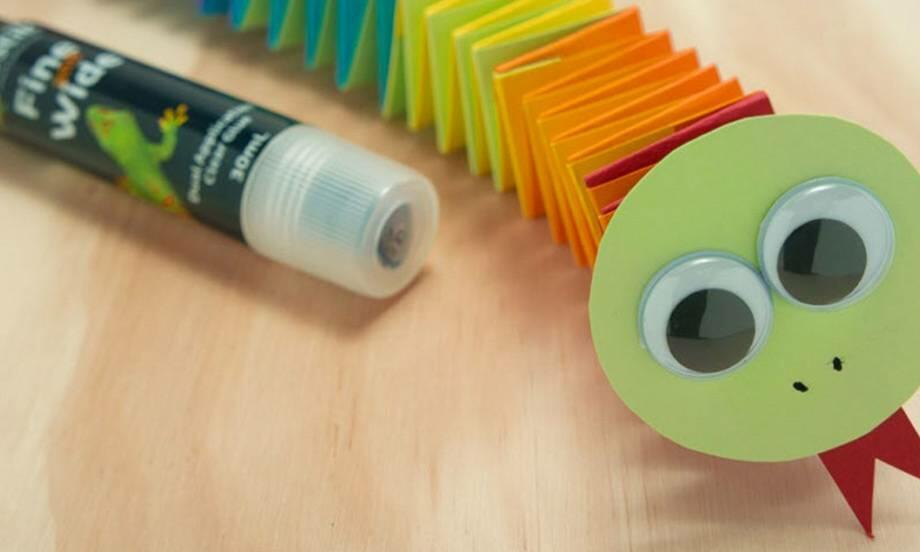
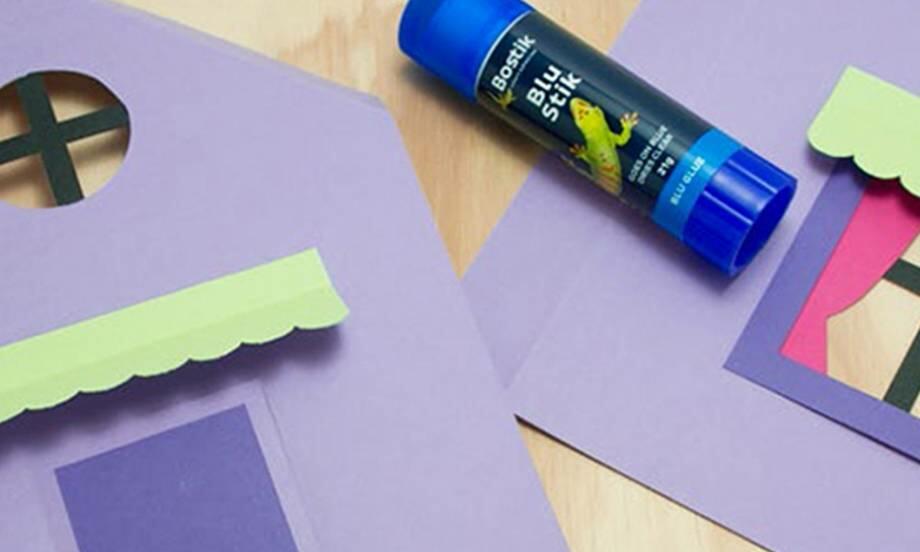
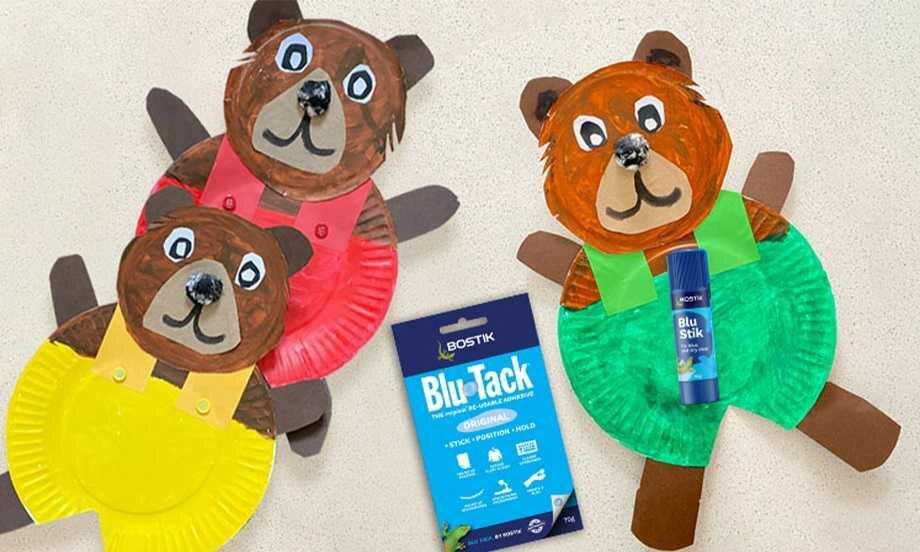
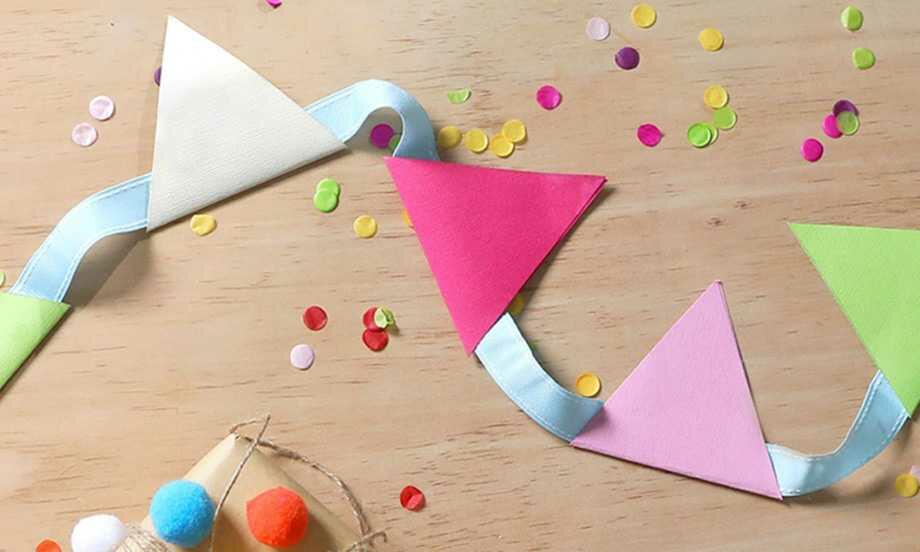
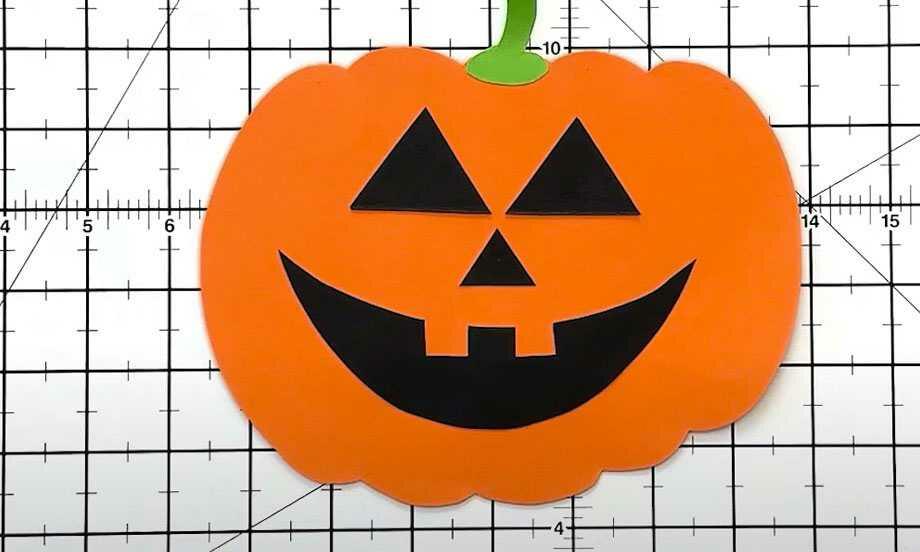

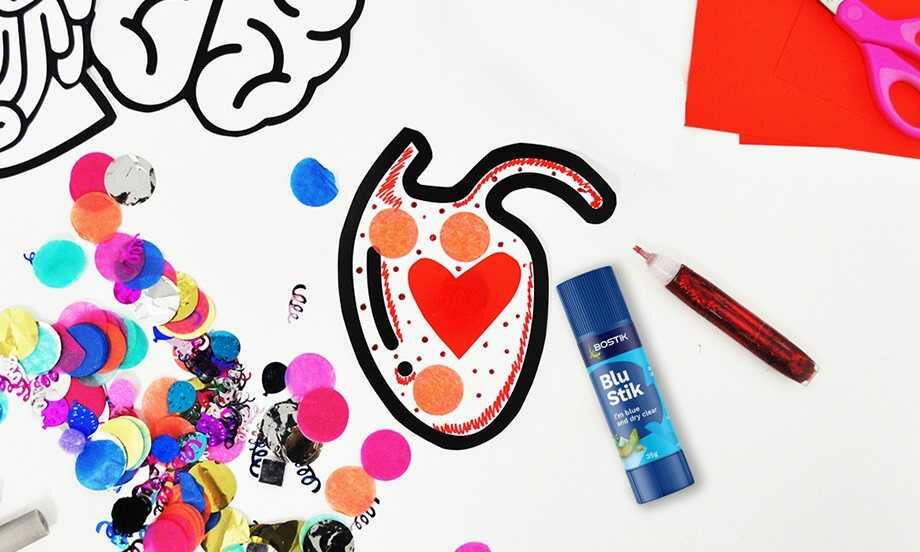

FAQs
How do you clean up Glu Stik?
If you get Bostik Glu Stik on a surface by accident, remove as much of the adhesive as possible and clean the area as soon as possible.
Because Bostik Glu Stik is water-soluble, it can be cleaned away using water. The most suitable cleaning method may vary depending on the surface or material involved, so test on a small area first where appropriate.
How do I know how to stick two materials together?
Discover our new Bostik Glue Guide to discover what product to use.
How does viscosity affect adhesive performance?
Viscosity refers to how thick or fluid an adhesive is. Lower-viscosity adhesives flow more easily, while higher-viscosity adhesives are thicker and provide greater control during application.
The viscosity of an adhesive can influence how it spreads, fills gaps and performs on vertical surfaces, making it an important factor when selecting the right product for a project.
What is the shelf life of the adhesive I have bought and where can I store it?
The shelf life of adhesives varies from product to product, but typically ranges between one and two years from the date of manufacture when unopened and stored correctly in dry conditions - usually between +5°C and +25°C. Once opened, the life of the product will be more limited – this is dictated by variables including the type of adhesive, how it is stored, and how much adhesive is left unused. For more information, refer to the product’s Technical Data Sheet.
What should I do if glue stick gets in a child's eye?
If glue stick gets in a child's eye, rinse the affected eye immediately with plenty of clean water. Continue rinsing thoroughly to help remove any residue.
If irritation, discomfort or redness continues after rinsing, seek medical advice or professional healthcare assistance as soon as possible.


Stuck on what glue to use?
Use this guide to find out what product to use for your job.
Start the Glue Guide