How to repair hard plastic with glue
Love fixing stuff, hate waste? It’s easy to repair a hard plastic object with glue and become an everyday #repairhero
Hard plastic items can break easily, but that doesn’t always mean they need to be replaced. Knowing how to repair hard plastic with glue can help you fix everyday items quickly and extend their lifespan.
From household objects to small plastic parts, using the right glue and technique makes a strong and durable repair possible. Preparing the surface properly and allowing enough drying time are key to success.
In this guide, we explain how to repair hard plastic with glue using a clear and effective method that’s suitable for home repairs.
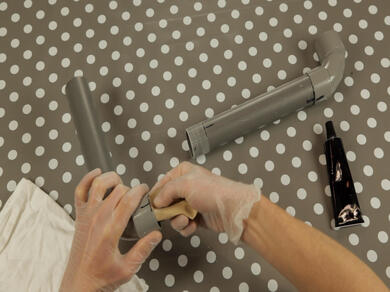
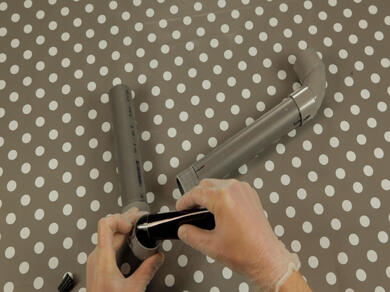
How to repair a hard plastic object with Bostik Hard Plastic glue – a step by step guide
Step 1: Be prepared
Take the two pipes to be assembled. Make sure both are clean, free of dust and grease.
Step 2: Sand the pipe
Lightly sand the pipe socket using emery cloth. Clean off residue with a cloth and acetone.
Step 3: Get gluing
Apply adhesive on both the hollow part of one pipe and the socket of the other one.
Step 4: Assemble
Push the two parts into each other without twisting them and hold for 20 to 30 seconds.
Step 5: Clean off
excessive glue If needed, clean off the excess glue that comes out of the socket.
Step 6: Take a break
Allow 10 minutes before handling your assembled pipes and 24 hours before using them; that’s it! You are now an official #repairhero!
Everything you might need to fix a hard plastic object with glue
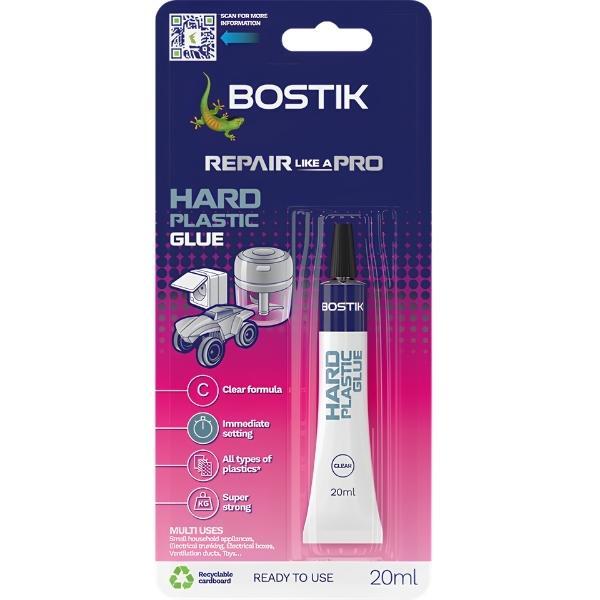
Essential: Bostik Hard Plastic glue.
You might also want:
- emery cloth - to sand the surfaces to be glued.
- a protective coating to cover your worktop.
- soapy water to remove excess glue from your skin.
- scraper to remove dried glue from furniture.
- acetone for both dried and fresh glue on furniture.
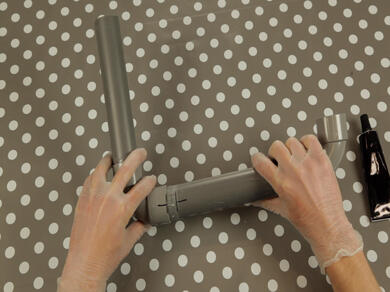
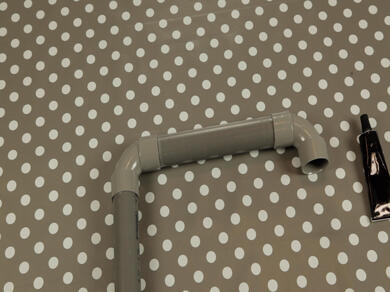
Made a little mess?
- On my skin: do not try to pull the glue off your fingers. With sweat’s moisture, the bond will loosen within 30 minutes without doing anything. Apply warm soapy water to help dissolve the bond. Do not use acetone or solvents on the skin.
- On my furniture: Dry glue is not easy to remove, so it is advisable to work carefully and protect the surfaces you are working on. Should an accident occur, test the acetone on your furniture in an inconspicuous place beforehand; if there is no damage, clean the glue with acetone.
Which glue is right for you?
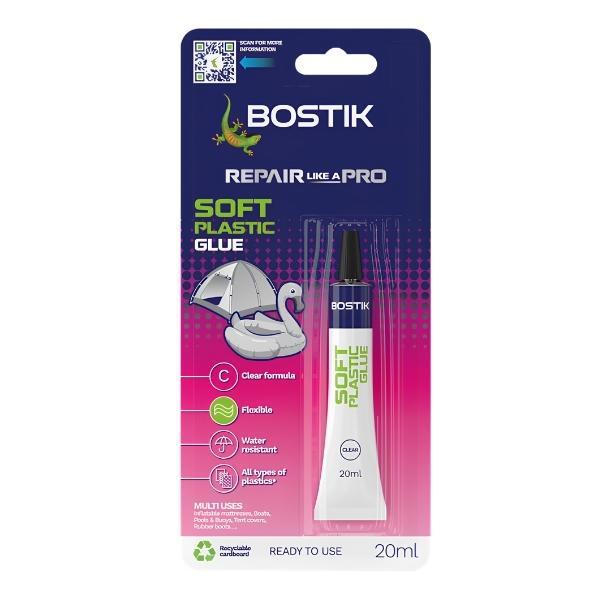
Bostik Hard Plastic is the best fixing tool for rigid plastic surfaces as once dry, it becomes as strong as the original material. For flexible plastic surfaces, use Bostik Soft Plastics glue; it includes a cuttable fixing patch in the kit that allows you to adapt to any tear shape and handle any repair. And for plastic repairs or plastic assembling in a wet environment, use Bostik PVC Pipe adhesive; in addition to being waterproof, it is certified for drinking water systems.
When to use Bostik Hard plastic clear glue?
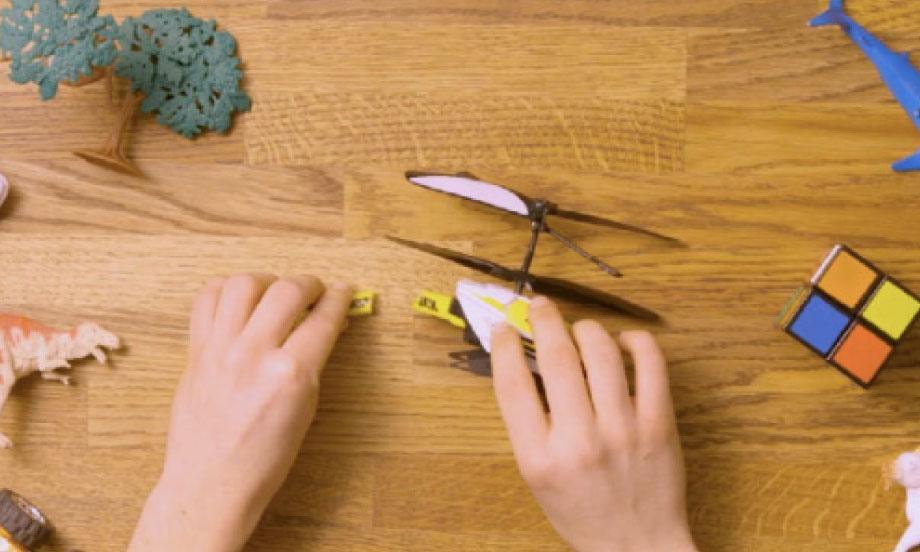
Bostik Hard Plastic Glue is perfect for all kinds of tough jobs involving hard plastic, such as repairing a toy, a remote control, small appliances, tools... It also works well on wood, metal, and leather. This glue is easy to use, and perfect for your kitchen accessories, as its formula makes it safe especially for drinking water systems.
Tips for Repairing Hard Plastic Safely
- Follow the instructions on the package
- Work in a well‑ventilated area
- Avoid contact with skin and eyes
- Keep glue out of reach of children