
FABRIC GLUE
Bostik Fabric Glue is a flexible acrylic water-based fabric adhesive made for clothing repairs, crafts and everyday fabric bonding. This textile glue creates a long-lasting, flexible bond on porous fabrics such as cotton, denim, linen, felt and leather. Once fully dry, the bond can be machine washed, tumble dried and ironed, making it a practical glue for clothes, patches, hems and labels.
Clear
Product overview
Bostik Fabric Glue is a flexible acrylic-based fabric glue designed for clothing repairs, crafts and porous fabric bonding. This cloth glue creates an ultra-strong, long-lasting and flexible bond that dries clear in thin films. It is low odor, easy to use, and suitable as a washable glue because the bond can withstand machine washing once completely dry. It can also be ironed after drying, making it useful for DIY fabric repairs and craft work.
Bostik Fabric Glue can be used for:
- Clothing (hems, trouser turn-ups, pockets, and repairing worn sleeves)
- Labelling (attaching cloth labels & badges to children’s clothes)
- Laces (when lace ends fray, take a small amount of Bostik Fabric Glue and quickly roll on to the end of your lace)
- Furnishings (taking up curtain hems, attaching pelmets and decorating soft furnishings)
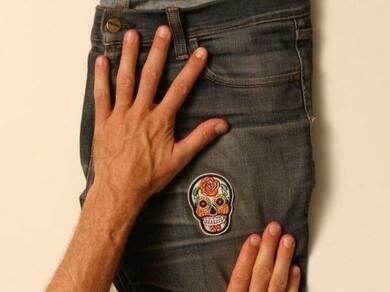
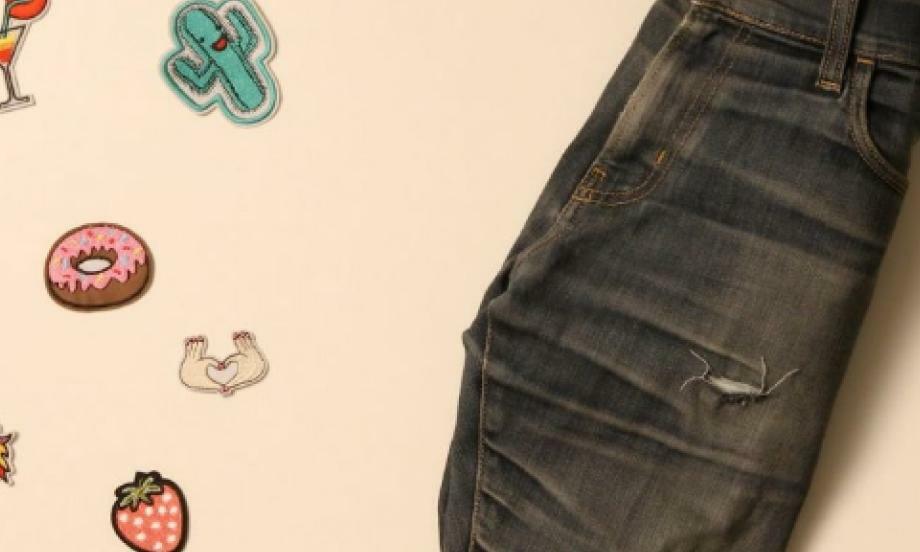
- Tears (repair torn fabric using a patch, apply Bostik Fabric Glue to the inside of the garment and to the patch then smooth into place)
- Buttons (a drop of Bostik Fabric Glue applied to buttons stops them unthreading).
Not suitable for 100% nylon or polyester fabrics, or for any non-porous fabric or material.
Surface Compatibility
Bostik Fabric Glue bonds porous fabrics such as cotton, denim, linen, felt and leather. It is suitable for fabric repairs on most natural or synthetic fabrics, provided the material is clean, dry and free from grease, dust or loose material. This Bostik glue is not a general-purpose synthetic glue; it is an acrylic copolymer-based textile glue developed specifically for fabric repair and craft use.
Features & benefits

A permanent adhesive for clothing, fabric repairs and crafts
Ideal for cotton, denim, linen, felt, leather and PVC
Withstands machine-washing and ironing
Low odour
Easily washes off fingers
Documents & Resources
Bostik DIY Philippines Repair - Fabric Glue Technical Data Sheet (292.87 KB)
Bostik DIY Philippines Repair - Fabric Glue Safety Data Sheet (90.64 KB)
How to use
Ensure all surfaces that will be in contact with the sealant must be clean, dry, and free of dust, dirt, rust, oil, and other contaminants.
Work on a protected surface and take care during use, not to spill or splash the adhesive onto other fabrics or surfaces.
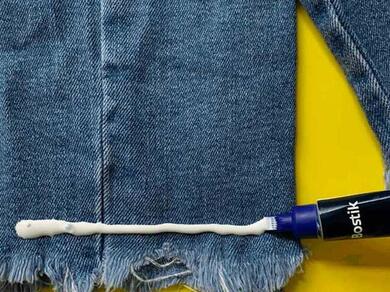
This fabric glue for clothes can be used for hems, trouser turn-ups, pockets, worn sleeves, cloth labels, badges, lace ends, curtain hems, soft furnishings, buttons and torn fabric repairs using a patch. It works as fabric glue for patches when applied in a thin layer to the non-visible side or back of the garment and to the patch before pressing into place. It can also be used as pandikit sa damit for common clothing repair and craft applications.
Application
- For best result, first practice on a scrap of material or unseen area.
- Point the tube away from you and unscrew the cap. Push the top of the cap into the top of the tube to pierce the tube then screw on the applicator.
- Squeezing from the base of the tube, apply a bead of glue to each of the surfaces to be joined and spread it out with the applicator.
- Press both surfaces together immediately. Allow to dry before rough handling. Drying times may vary. Remains flexible when dry.
- Remove the applicator and replace the cap. Wash the applicator in warm water ready for next time.
- Ironing will improve product performance.
- When dry, the bonds are flexible and permanent. They may be machine-washed, tumble dried and ironed.
NOTE: On some open-weave, light shades and delicate fabrics the glue may come through on the other side due to the adhesive passing through the weave. Application of excessive adhesive or pressure may cause similar effect and darkening of the fabric may be observed. If in doubt carefully test a small area before proceeding.
Cleaning
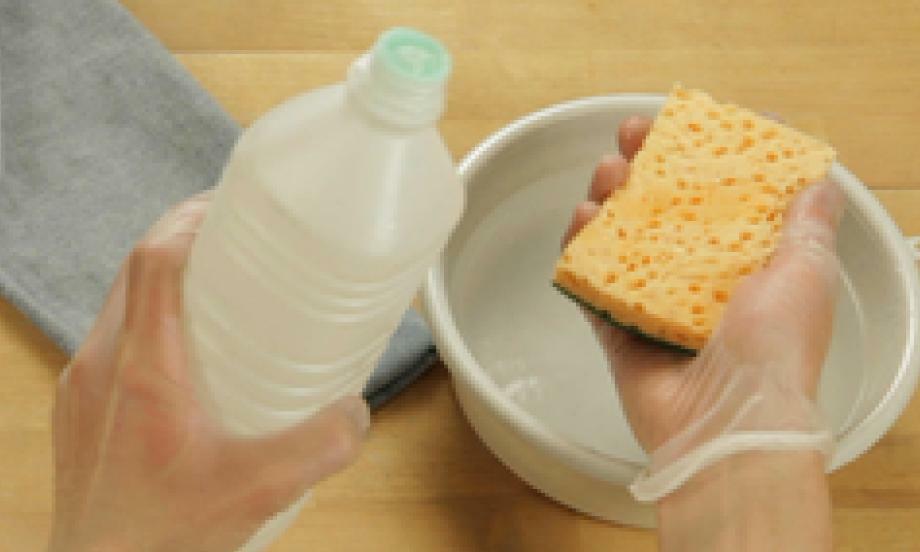
- Wet adhesive on fabrics and porous surfaces must be quickly washed with warm soapy water. Repeat if necessary, with fresh warm soapy water, then rinse and dry.
- Dried adhesive on fabrics can be difficult to remove. Always test the effect of any cleaner or solvent on an inconspicuous area of the fabric first, and check area when dry.
- Dried adhesive on smooth non-porous surfaces may be rubbed off or cleaned with warm soapy water.
Limitations
Always test this fabric adhesive on a scrap piece or hidden area before use, especially on open-weave, light-coloured or delicate fabrics, as the glue may pass through the weave or darken the fabric if too much adhesive or pressure is applied. It is not suitable for fine and delicate fabrics such as wool, linen and silk, or for 100% polyester, 100% nylon, non-porous fabrics or non-porous materials. Dried adhesive on fabrics is very difficult to remove, so wet adhesive should be washed quickly with warm soapy water.


FAQs
How does fabric glue work?
Bostik Fabric Glue forms a permanent bond by adhering to the fibres of the fabric.
How long does Fabric Glue take to dry?
Bostik Fabric Glue may feel dry to the touch in a relatively short time, but we recommend allowing around 24 hours for the adhesive to fully cure. This helps ensure the bond reaches its maximum strength before the fabric is worn, washed or handled extensively.
Drying times can vary depending on the fabric type, the amount of adhesive applied and the surrounding temperature and humidity.
Is fabric glue washable?
Yes, Bostik Fabric Glue is machine-washable so is perfect for clothing repairs and can withstand everyday wear and tear.
There is glue on my fingers and I can't remove it, what should I do?
Rinse your fingers immediately with plenty of warm soapy water and do not pull on the skin that has been glued. If glue remains after using warm soapy water, it will often de-bond within a couple of days due to general wear and tear and the natural oils in the skin. If skin irritation occurs, consult a doctor.
Will Fabric Glue stop fraying?
Yes, Bostik Fabric Glue can help reduce fraying by securing loose fibres along the edge of the fabric. The flexible bond helps keep the material intact while maintaining the fabric's appearance.
This makes Bostik Fabric Glue a useful choice for fabric repairs, alterations and craft projects where preventing frayed edges is important.
How do I prepare the surfaces to be glued?
- Ensure surfaces are clean; dry free from grease and loose materials.
- For best results, surfaces and surroundings should be pleasantly warm.
- Take out a sheet of dots from the wallet.
- Fold and then tear off, along the perforations, to remove as many dots as required.
Stuck on what glue to use?

Use this guide to find out what product to use for your job.
Start the Glue Guide