
Product overview
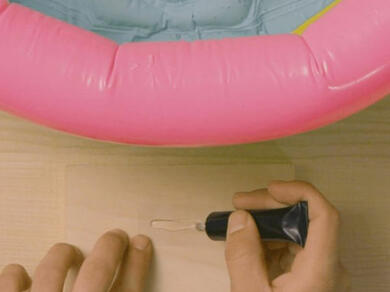
Bostik Soft Plastics Adhesive is a strong water resistant, polyurethane adhesive designed for bonding most common soft plastics. It bonds rapidly to form a strong but flexible, water resistant seal. It is suitable for bonding flexible PVC, polyurethane, natural and sulfochlorinated rubbers. Typical applications include repairing inflatables, plastic raincoats, tents and gumboots.
After something for hard plastic? Try Bostik Hard Plastics
Features & benefits

Dries clear
Waterproof
Quick drying
Provides a flexible bond, resistant to twists and vibrations, ideal for inflatables
Comes with a PVC repair patch
Downloads & resources
Bostik DIY New Zealand Repair Soft Plastics Technical Data Sheet (314.3 KB)
This file is stored on an external website, please follow the link
How to use
Ensure that surfaces to be bonded are clean and dry. For best results do not use below 15°C.
Lightly abrade very smooth shiny surfaces using fine sandpaper, taking care not to damage any areas that will
be visible after bonding.
If using on rubber products, lightly roughen the surface to be repaired using a fine grade sandpaper.
Application
- Always open and use adhesive products over a protected surface.
- If required use a piece of the PVC patch provided.
- Spread an even film of adhesive onto both surfaces.
- Leave until almost dry (about 5 to 10 minutes).
- Press both surfaces together firmly until bonded.
- Replace cap immediately after use, to prevent the adhesive becoming unusable.
- Maximum bond strength is developed after approximately 48 hours.
Cleaning
- Always test sensitive surfaces before applying solvent cleaners.
- Clean greasy, waxy or oily surfaces with fresh acetone, twice to remove residues left by the first cleaning.
- Wet or dry adhesive can be removed with acetone.
FAQs
Why is viscosity important in adhesives?
Viscosity refers to how easily an adhesive flows. Products with a lower viscosity are thinner and spread more easily, while higher-viscosity products are thicker and offer greater control during application.
In adhesive applications, viscosity can influence how a product spreads, fills gaps and performs on vertical surfaces, making it an important factor when selecting the right adhesive for a project.
How do you remove Soft Plastic adhesive from your fingers?
If Bostik Soft Plastic adhesive gets on your fingers, remove the adhesive as soon as possible before it fully cures.
Wet or dry adhesive residue can be removed using acetone. After cleaning, wash your hands thoroughly and avoid prolonged skin contact with the adhesive.
For a step-by-step guidance, see the How to remove glue from your fingers article, which explains how to safely deal with adhesive on skin and minimise discomfort during removal.
What is the difference between Soft Plastic adhesive and Super Glue?
Bostik Soft Plastic Adhesive is designed specifically for repairing and bonding soft plastic materials, making it a suitable choice for flexible plastic items and soft plastic repairs.
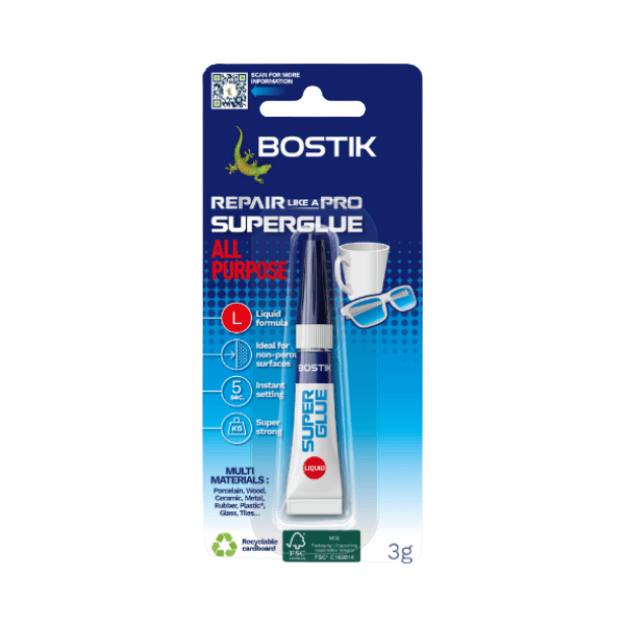
Bostik Super Glue is a fast-curing cyanoacrylate adhesive that forms a strong bond within seconds on many different materials. When working with soft plastics, Bostik Soft Plastic Adhesive is generally the better option, while Bostik Super Glue is often preferred for quick repairs where a specialist soft plastic adhesive is not required.
How long does Soft Plastic adhesive last?
Bostik Soft Plastic adhesive has a shelf life of 12 months from the date of manufacture when stored under the recommended conditions.
To help maintain performance, keep the adhesive in its original packaging, store it in a cool, dry place and ensure the container is properly sealed when not in use. Proper storage can help preserve the product throughout its shelf life.
What needs to be cleaned before using Soft Plastic Adhesive?
Before applying Bostik Soft Plastic Adhesive, make sure the surfaces are clean, dry and free from dust, dirt and grease.
Cleaning away contamination before bonding helps the adhesive make better contact with the surface and can improve the quality and reliability of repairs on soft plastic materials.

Stuck on what glue to use?

Use this guide to find out what product to use for your job.
Start the Glue Guide