
Product overview
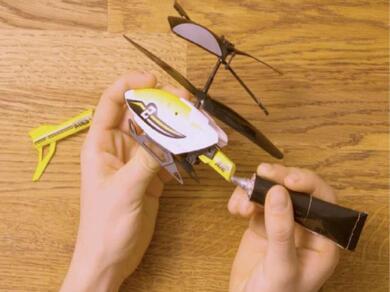
Bostik Hard Plastics adhesive is a solvent based adhesive on polyurethane and has the advantages of easy application, by comb or brush, and immediate strength on contact for all those tough repairs to rigid plastics. It has a wide range of uses for repairing household plastic objects such as toys, small appliances, and housing electricals. Suitable for bonding PVC-U, ABS, high impact polystyrene, wood, metal and leather.
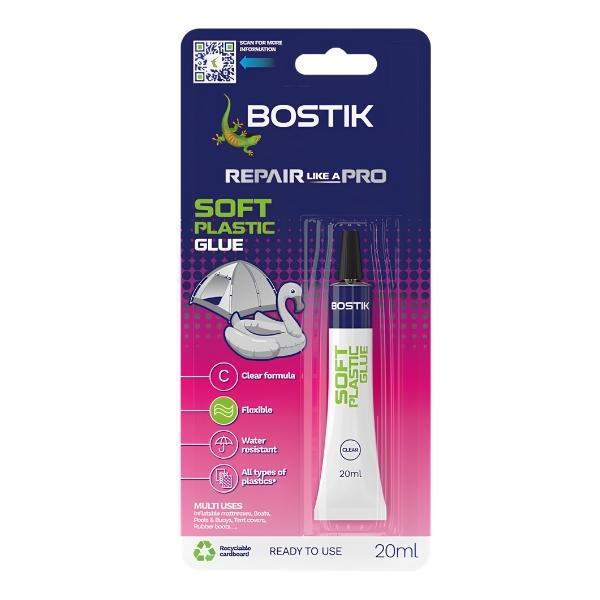
Bostik Soft Plastics glue is also available
Features & benefits

Dries clear
Water resistant
Immediate strength on contact
Easy to apply
Quick drying
Downloads & resources
Bostik DIY New Zealand Repair Hard Plastic Technical Data Sheet (302.73 KB)
This file is stored on an external website, please follow the link
How to use
For best results, ensure surfaces are dry, clean and free from dust and grease. Wearing gloves is recommended.
Application
- Remove tube cap. Using a brush, spread a thin layer of the adhesive evenly over both surfaces.
- Leave the coated surfaces until the adhesive is no longer tacky, approximately 10 minutes at normal room temperature.
- Once glue is no longer tacky, ensure surfaces are accurately aligned and then press firmly together. They will stick immediately.
Cleaning
- After use, wipe the nozzle with a clean dry cloth (avoiding skin contact).
- Bostik Hard Plastics adhesive can be removed using acetone before set. Solvents can damage some surfaces, therefore carry out a test on a small area first.
FAQs
Why is viscosity important in adhesives?
Viscosity refers to how easily an adhesive flows. Products with a lower viscosity are thinner and spread more easily, while higher-viscosity products are thicker and offer greater control during application.
In adhesive applications, viscosity can influence how a product spreads, fills gaps and performs on vertical surfaces, making it an important factor when selecting the right adhesive for a project.
How do you remove Hard Plastic adhesive from your fingers?
If Bostik Hard Plastic adhesive gets on your fingers, remove any excess adhesive as quickly as possible before it sets.
Before the adhesive cures, it can be removed using acetone. Wash your hands thoroughly after cleanup and avoid unnecessary skin contact when handling the product.
For a step-by-step guidance, see the How to remove glue from your fingers article, which explains how to safely deal with adhesive on skin and minimise discomfort during removal.
What is the difference between Hard Plastic adhesive and Super Glue?
Bostik Hard Plastic adhesive is specifically designed for repairing and bonding hard plastic materials, making it a suitable choice when working with rigid plastic components and plastic repairs.
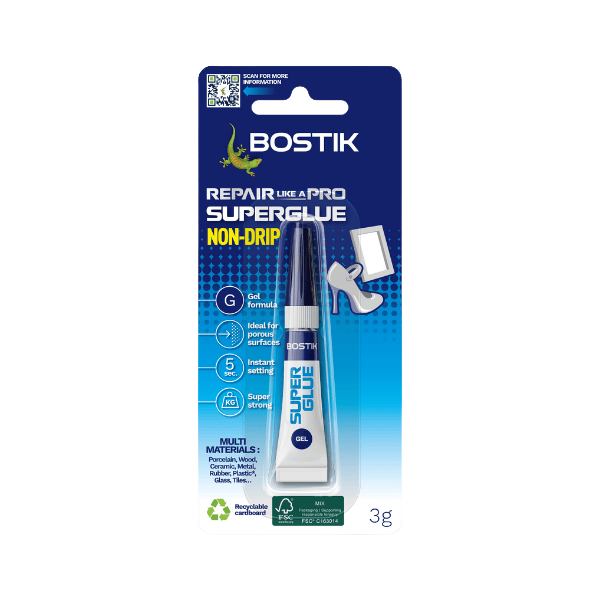
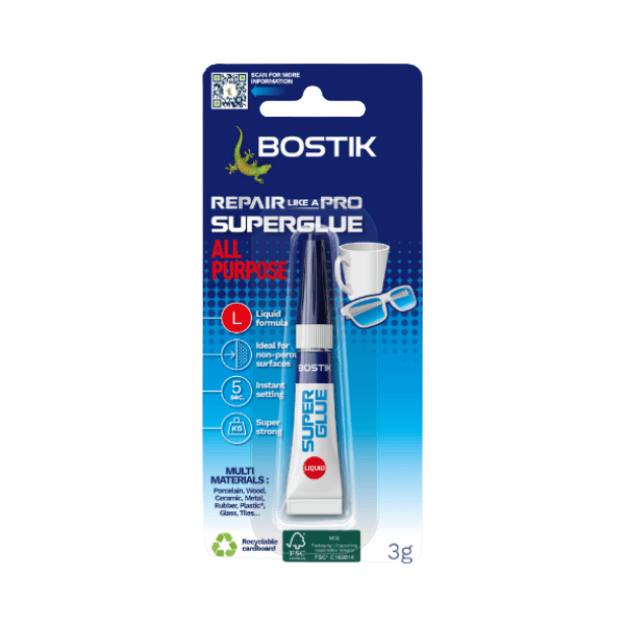
Bostik Super Glue is a fast-curing cyanoacrylate adhesive that creates a strong bond within seconds on a wide range of materials. For projects involving hard plastics, Bostik Hard Plastic is generally the more suitable option, while Bostik Super Glue is often preferred for quick repairs where a specialist plastic adhesive is not required.
How long does Hard Plastic Adhesive last?
Bostik Hard Plastic Adhesive has a shelf life of 12 months from the date of manufacture when stored under the recommended conditions.
To help maintain performance, keep the adhesive in its original packaging, store it in a cool, dry place and ensure the container is properly sealed when not in use. Proper storage can help preserve the product throughout its shelf life.
How do you get hard plastics ready for bonding?
Before applying Bostik Hard Plastic Adhesive, make sure all surfaces are clean, dry and free from dust, dirt and grease.
For the best results, remove any contamination that could interfere with adhesion and ensure the parts are properly aligned before bonding. Good preparation helps achieve a stronger and more reliable repair on hard plastic items.
Stuck on what glue to use?
Use this guide to find out what product to use for your job.
Start the Glue Guide