
SOFT PLASTICS
Repair glue for soft plastic materials
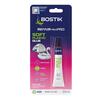
Clear
Product overview
Bostik Soft Plastics is an ultra strong, quick drying, water resistant, clear adhesive that's perfect for making flexible repairs to things like inflatables, plastic raincoats, and tents.
- Formulated to work on soft plastics
- Provides a flexible bond
- Ultra strong and quick drying
- Water resistant
- Comes with a PVC repair patch
Bostik Soft Plastics is suitable for bonding:
- Flexible PVC
- Polyurethane
- Natural and sulfochlorinated rubbers
After something for hard plastic? Try Bostik Hard Plastics
Downloads & resources
Bostik DIY Australia Repair - Soft Plastic Technical Data Sheet (314.3 KB)
This file is stored on an external website, please follow the link
How to use
Ensure that surfaces to be bonded are clean and dry. For best results do not use below 15°C.
Lightly abrade very smooth shiny surfaces using fine sandpaper, taking care not to damage any areas that will
be visible after bonding.
If using on rubber products, lightly roughen the surface to be repaired using a fine grade sandpaper.
Application
- Always open and use adhesive products over a protected surface.
- If required use a piece of the PVC patch provided.
- Spread an even film of adhesive onto both surfaces.
- Leave until almost dry (about 5 to 10 minutes).
- Press both surfaces together firmly until bonded.
- Replace cap immediately after use, to prevent the adhesive becoming unusable.
- Maximum bond strength is developed after approximately 48 hours.
Cleaning
- Always test sensitive surfaces before applying solvent cleaners.
- Clean greasy, waxy or oily surfaces with fresh acetone, twice to remove residues left by the first cleaning.
- Wet or dry adhesive can be removed with acetone.

Related tutorials

FAQs
How do I know how to stick two materials together?
Discover our new Bostik Glue Guide to discover what product to use.
How do you prepare surfaces before gluing?
Before applying adhesive, make sure both surfaces are clean, dry and free from dust, grease, oil, rust, loose material or other contaminants.
Removing residues and preparing the surfaces properly helps improve adhesion and gives the best chance of achieving a strong, durable bond.
How does viscosity affect adhesive performance?
Viscosity refers to how thick or fluid an adhesive is. Lower-viscosity adhesives flow more easily, while higher-viscosity adhesives are thicker and provide greater control during application.
The viscosity of an adhesive can influence how it spreads, fills gaps and performs on vertical surfaces, making it an important factor when selecting the right product for a project.
What is the shelf life of the adhesive I have bought and where can I store it?
The shelf life of adhesives varies from product to product, but typically ranges between one and two years from the date of manufacture when unopened and stored correctly in dry conditions - usually between +5°C and +25°C. Once opened, the life of the product will be more limited – this is dictated by variables including the type of adhesive, how it is stored, and how much adhesive is left unused. For more information, refer to the product’s Technical Data Sheet.


Stuck on what glue to use?
Use this guide to find out what product to use for your job.
Start the Glue Guide