
GENERAL PURPOSE SILICONE
A general purpose silicone for small sealing jobs
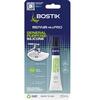
Clear
Product overview
Bostik General Purpose Silicone is an industrial grade, neutral cure silicone sealant designed for sealing lap joints in metal guttering, aluminum, roofing, flashings and down pipes.
- General-purpose sealant for small sealing applications
- Permanently flexible
- Suitable for interior and exterior applications
- Unaffected by rain, snow, extreme temperature change and constant ultraviolet exposure
- Waterproof
- Excellent adhesion properties
Bostik General Purpose Silicone is suitable for:
- Mounting around windows & doors frames
- Lap joints in metal guttering
- Bonding all panels (OSB, word, plasterboards, drywalls, insulation board)
- Bonding masonry (windowsill, brick wall) and decorative elements
- Gap filling around pipes, penetration surfaces and more
- All materials except for PE, PP, PC, PMMA, PTFE, soft plastics, neoprene, and bituminous substrates
LIMITATIONS: Not suitable for permanent water load or filling in cavities with insufficient moisture.
Downloads & resources
Bostik DIY Australia Repair - General Purpose Silicone Technical Data Sheet (300.95 KB)
This file is stored on an external website, please follow the link
How to use
Ensure all surfaces that will be in contact with the sealant are clean, dry, and free of dust, dirt, rust, oil, and other contaminants.
Non-porous substrates should be clean with solvent and wipe dry immediately with cloth before the solvent evaporates from the surface. Porous surfaces should be roughening with a stiff-bristled brush, rubbed down or sandblasted.
Complete all painting before applying. Use masking tape each side of the joint to simplify clean up and protect surfaces.
Application
- Unscrew cap and pierce end of tube with reverse end of cap to open.
- Apply on surface in steady flow by hand pressing.
- Tool off/smooth off before skin forms.
- If used, remove masking tape immediately until sealing tolling is complete.
- Sealant surface will skin in approx. 10 minutes and is touch dry in 30 minutes.
- Content fully cures in 48 hours.
Cleaning
- Remove excess uncured sealant with a mineral turpentine-soaked cloth.
- Fully cured excess sealant can be removed by trimming with a sharp knife.
Important
Oxime silicone sealants (both standard and sanitary grade versions containing fungicide) will tend to display a slight colour shift with age and exposure to ultraviolet light. Typically this colour shift, or yellowing, is not visually significant in the field. Also it is not necessarily confined to translucent coloured materials, and the fungicide itself does not have any adverse impact. This is a worldwide phenomenon affecting this cure type of silicone sealant.
Misapplication or contamination of an oxime sealant whilst curing will exacerbate the inherent condition. Specifically, chemical exposure to certain agents such as chlorinated cleaning solutions (ie, bleach), chemical solvents, and the fumes of some paints (enamel or solvent – containing types where not fully dried) may tend to magnify this yellowing change particularly where the sealant is still curing.
Related tutorials

FAQs
How do I know how to stick two materials together?
Discover our new Bostik Glue Guide to discover what product to use.
How do you prepare surfaces before gluing?
Before applying adhesive, make sure both surfaces are clean, dry and free from dust, grease, oil, rust, loose material or other contaminants.
Removing residues and preparing the surfaces properly helps improve adhesion and gives the best chance of achieving a strong, durable bond.
How does viscosity affect adhesive performance?
Viscosity refers to how thick or fluid an adhesive is. Lower-viscosity adhesives flow more easily, while higher-viscosity adhesives are thicker and provide greater control during application.
The viscosity of an adhesive can influence how it spreads, fills gaps and performs on vertical surfaces, making it an important factor when selecting the right product for a project.
What is the shelf life of the adhesive I have bought and where can I store it?
The shelf life of adhesives varies from product to product, but typically ranges between one and two years from the date of manufacture when unopened and stored correctly in dry conditions - usually between +5°C and +25°C. Once opened, the life of the product will be more limited – this is dictated by variables including the type of adhesive, how it is stored, and how much adhesive is left unused. For more information, refer to the product’s Technical Data Sheet.
Stuck on what glue to use?

Use this guide to find out what product to use for your job.
Start the Glue Guide