
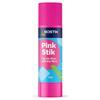
PINK STIK
Pink glue stick to add a little colour to your creation
Pink
Product overview
Bostik Pink Stik is a solvent free, non-toxic, easy to apply and use general purpose adhesive for the classroom and home. Bostik Pink Stik goes on pink and dries pink to add a little extra colour to your creation.
Features & benefits

Non-toxic, non-harmful adhesive and is safe for the whole family to use
Easy-to-use solid glue stick for crafting materials including paper, cardboard, fabric, felt, photos and cotton
Goes on pink and stays pink
Solvent-free and odourless
Downloads & Resources
Bostik DIY Australia Pink Stik Technical Data Sheet (294.98 KB)
This file is stored on an external website, please follow the link
How To Use
Bostik Pink Stik can be used for cut and paste activities, paper craft, invitations, art and craft projects, and dry mounting photography.
- Ensure that surfaces are clean and dry
- Remove cap, turn base until glue protrudes
- Glue one surface and press firmly together
- When finished, turn base to retract glue
- Recap after use to prevent glue from drying out
TIP: If you forget to put the cap on and the glue dries out, don't worry! Just put the stick into warm water for a few minutes. You can use it again and there's no waste!
FAQs
How do I know how to stick two materials together?
Discover our new Bostik Glue Guide to discover what product to use.
How do you clean up Glu Stik?
If you get Bostik Glu Stik on a surface by accident, remove as much of the adhesive as possible and clean the area as soon as possible.
Because Bostik Glu Stik is water-soluble, it can be cleaned away using water. The most suitable cleaning method may vary depending on the surface or material involved, so test on a small area first where appropriate.
How does viscosity affect adhesive performance?
Viscosity refers to how thick or fluid an adhesive is. Lower-viscosity adhesives flow more easily, while higher-viscosity adhesives are thicker and provide greater control during application.
The viscosity of an adhesive can influence how it spreads, fills gaps and performs on vertical surfaces, making it an important factor when selecting the right product for a project.
What is the shelf life of the adhesive I have bought and where can I store it?
The shelf life of adhesives varies from product to product, but typically ranges between one and two years from the date of manufacture when unopened and stored correctly in dry conditions - usually between +5°C and +25°C. Once opened, the life of the product will be more limited – this is dictated by variables including the type of adhesive, how it is stored, and how much adhesive is left unused. For more information, refer to the product’s Technical Data Sheet.
What should I do if glue stick gets in a child's eye?
If glue stick gets in a child's eye, rinse the affected eye immediately with plenty of clean water. Continue rinsing thoroughly to help remove any residue.
If irritation, discomfort or redness continues after rinsing, seek medical advice or professional healthcare assistance as soon as possible.
Stuck on what glue to use?
Use this guide to find out what product to use for your job.
Start the Glue Guide