
SILICONE STRIPPER
A technologically advanced paste, formulated to remove fresh or old silicone.
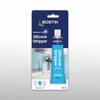
Light brown
Features & benefits
Silicone Stripper is suitable to use on sanitary ware, glass, metal, enamel, concrete, plaster, plastics and textiles. Ideal for removing cured silicone smudges, spills and finger prints from poor workmanship. Silicone Stripper can also be used to remove mould growth from the surface of silicones.
It may stain some metal surfaces so we recommend testing a small area prior to application. May cause wood substrates to darken and may soften painted or varnished surfaces and some fabrics (e.g. Nylon).
Downloads & resources
Bostik DIY South Africa Seal - Silicone Stripper Technical Data Sheet (425.84 KB)
Bostik DIY South Africa Seal - Silicone Stripper Safety Data Sheet (183.64 KB)
How to use
Silicone Stripper is flammable. Always work in a ventilated area. Do not breathe in vapours. Avoid exposing product to any ignition sources. Do not smoke when working with Bostik Silicone Stripper. It is advisable to wear gloves in order to avoid direct contact with the skin.
- Protect areas that are not covered in silicone with masking tape in order to reduce the risk of staining or damage.
- Removing excess silicone with a knife or blade will reduce the stripping time.
- Remove cap from tube and pierce seal with reverse side of cap.
- Apply a thick layer of Bostik Silicone Stripper to the desired area and leave for 2 to 12 hours, depending on the thickness of the silicone.
- Covering with a plastic sheet will enhance performance.
- Remove softened sealant with a hard plastic scraper or spatula.
- Thin films can simply be wiped away with a damp cloth.
- Reapplication may be needed for thicker silicone layers.
- Bostik Silicone Stripper can be cleaned with turpentine, paraffin or water.
FAQs
How do I remove cured silicone?
Cured sealant must be removed mechanically with a sharp knife or chemically with Bostik Silicone Stripper. Always test on a small surface first.
Can I use alcohol to clean silicone?
No. Alcohol based cleaners should not be used for cleaning surfaces as alcohol inhibits the cure of silicones. Soaps or detergents used to clean the surface must be rinsed away thoroughly with clean water to ensure that all traces of the soaps are removed before sealing.
How to clean silicone sealant?
For best results, clean silicone sealant while it is still uncured using a solvent such as turpentine or paraffin and a clean cloth. Once cured, the sealant can only be removed mechanically, for example with a sharp knife, or with a dedicated silicone remover.
How to dissolve silicone sealant
Cured silicone sealant cannot simply be dissolved. It must be removed either mechanically or by using a specialised silicone stripper designed to break down the material.
What is the shelf life of the adhesive i bought and where can i store it?
The shelf life of adhesives varies from product to product, but typically ranges between one and two years from the date of manufacture when unopened and stored correctly in dry conditions - usually between +5°C and +25°C. Once opened, the life of the product will be more limited – this is dictated by variables including the type of adhesive, how it is stored, and how much adhesive is left unused. For more information, refer to the product’s Technical Data Sheet.
I need more technical advice on this product?
Please call our Sticky Questions toll free helpline during office hours on 0800 222 400, or send an email [email protected].
How do I clean my applicator tools?
Wet and dried adhesive on applicator tools can be cleaned with acetone, thinners or parrafin. Please refer to the Technical Data Sheet of the specific product for more information.
How do I remove uncured silicone?
Uncured silicone can be removed from the hands or tools using a clean solvent soaked cloth, e.g. turpentine or paraffin. If removing uncured silicone from clothing, check fabric colour fastness before applying solvents.
How do I store my silicone?
To maximize the shelf life of an opened silicone cartridge, we recommend that the nozzle be removed and a piece of plastic placed over the cartridge tip after which the nozzle must be screwed back on. A large screw inserted into the nozzle tip also helps to extend the life. Store in a cool environment.
Stuck on what glue to use?

Use this guide to find out what product to use for your job.
Start the Glue Guide