
SOFT PLASTICS ADHESIVE
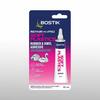
A strong, fast-drying plastic glue designed for durable adhesion on a wide range of soft and rigid plastics. This versatile waterproof glue forms a flexible, long-lasting bond that resists moisture, making it suitable for both indoor and outdoor applications. It dries clear for a neat finish and adheres to materials such as PVC, ABS, Perspex, and polystyrene, as well as rubber, metal, and glass. Ideal for DIY repairs, including plastic items and inflatable products, where a reliable waterproof bond is required.
Clear
Features & benefits
Bostik Soft Plastics is a high-performance plastic glue designed for strong, flexible bonding on a wide range of materials. This versatile waterproof glue forms a durable, water-resistant bond that is suitable for long-lasting repairs, even in moisture-prone environments. It dries quickly to leave a clear, almost invisible finish, making it suitable for neat DIY and repair work.
The formulation offers reliable adhesion to both soft and rigid plastics, while remaining flexible after curing. It also bonds effectively to materials such as rubber, leather, and wood, providing a dependable solution for everyday repairs and creative projects.
Surface Compatibility
Bostik Soft Plastics plastic glue bonds to rigid and plasticized PVC, ABS, Perspex, solid polystyrene, Formica, polyurethane, and fiberglass. It also adheres to metal, glass, porcelain, ceramic, leather, most rubbers, felt, cork, fabric, cardboard, paper, and both coated and uncoated wood.
Smart advantages

Quick drying
Waterproof
Flexible
Downloads & resources
Bostik DIY South Africa Repair - Soft Plastics Technical Data Sheet (450.71 KB)
Bostik DIY South Africa Repair - Soft Plastics Safety Data Sheet (241.33 KB)
How to use
Applications
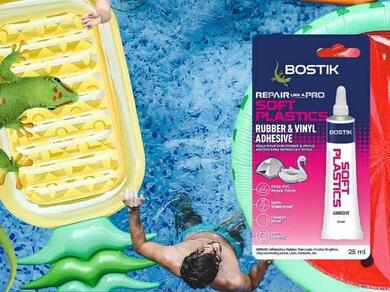
Suitable for repairing inflatable toys, plastic raincoats, lilos, and vinyl swimming pools. It can also be used as a general-purpose adhesive for DIY repairs and arts and crafts projects around the home. Surfaces must be clean, dry and free from all loose materials, dust, dirt, oil, rust and any other contaminants. For improved adhesion, surfaces should be lightly abraded and then wiped with a solvent such as acetone.
Surfaces must be clean, dry and free from all loose materials, dust, dirt, oil, rust and any other contaminants. For improved adhesion, surfaces should be lightly abraded and then wiped with a solvent such as acetone.
Wet stick method
- Spread an even film of adhesive onto both surfaces. If required, use the PVC patch provided.
- Leave the surfaces open for approximately 5 minutes, until almost dry.
- Bring surfaces together firmly until bonded. If necessary, hold together with a clamp or tape.
- Full strength develops after 24 hours.
Dry stick method
- This application method achieves the strongest and fastest bond. It is ideal for heavy duty repairs or when an initial high bond strength is required.
- Spread an even film of adhesive onto both surfaces. Allow to dry completely.
- Re-activate the glue by applying a suitable heat source over the surfaces, e.g. a hairdryer.
- Once the surfaces are very hot, bring together and press firmly to ensure good contact for about 2 minutes.
- Depending on application, object may be handled immediately. Full strength develops after 24 hours.
Limitations
- Not suitable for plastics such as polypropylene and polyethylene, or for expanded polystyrene, rayon, acetate fabrics, EPDM, and silicone rubber.
- The product is flammable and should be used in a well-ventilated area, away from ignition sources. Avoid inhaling vapours during application.
Related tutorials
FAQs
How do I clean my applicator tools?
Wet and dried adhesive on applicator tools can be cleaned with acetone, thinners or parrafin. Please refer to the Technical Data Sheet of the specific product for more information.
How do I prepare the surfaces to be glued?
Before applying glue, ensure that all surfaces are of sound nature and clean, dry and free from dust, grease or any other contamination.
How do I remove glue from my fingers?
Rinse your fingers immediately with plenty of warm soapy water and do not pull on the skin that has been glued. If glue remains after using warm soapy water, it will often de-bond within a couple of days due to general wear and tear and the natural oils in the skin. If skin irritation occurs, consult a doctor.
How do I know how to stick two materials together?
Discover our new Bostik Glue Guide to discover what product to use.
How to get label glue off plastic
Wet adhesive can be removed using a solvent such as acetone, applied with a clean cloth. For dried adhesive, it can be removed mechanically or softened with acetone before wiping away. Always test first to ensure the plastic is not affected.
How to glue plastic
Ensure surfaces are clean, dry, and free from dust or grease. Lightly abrade and clean with a solvent for better adhesion. Apply an even layer of adhesive to both surfaces, allow it to become tacky, then press firmly together. Full bond strength typically develops after 24 hours.
What is the strongest glue to use on plastic?
A strong polyurethane-based plastic glue like Bostik Soft Plastics is designed for durable, long-lasting bonding on many plastics. It provides a flexible, waterproof bond and adheres well to materials such as PVC, ABS, Perspex, and solid polystyrene.
Stuck on what glue to use?

Use this guide to find out what product to use for your job.
Start the Glue Guide