
LEATHER GLUE
Bostik Leather Glue is a clear polyurethane leather adhesive for flexible repairs to leather and imitation leather. This quick-drying glue for leather provides an instant bond and is easy to apply for household repair tasks. Use it on shoes, belts, bags, handbags, luggage and upholstery, as well as selected materials including metal, wood, glass, china, felt, canvas, cardboard, PVC and some plastics.
Clear
Product overview
Bostik Leather Glue is a translucent polyurethane adhesive with a working time of 5–10 minutes and a full cure time of 24 hours. The TDS describes it as an ultra-strong, quick-drying, clear adhesive designed for leather repairs, with heat resistance up to +60°C.
Surface Compatibility
Bostik Leather Glue bonds leather to leather, as well as leather to selected materials including metals, wood, glass, china, felt, canvas, cardboard, PVC and some plastics. It can also bond these materials to themselves or each other, and to plaster, stone and concrete.
Typical items on which it is used are:
- Handbags
- Luggage
- Upholstery
Features & benefits
-

Instant bond
-
Easy to apply
-
Heat resistant up to +60◦
Downloads & resources
Bostik DIY Australia Repair - Leather Glue Technical Data Sheet (320.81 KB)
This file is stored on an external website, please follow the link
How to use
Work on a protected area as spills can damage sensitive surfaces, such as polished, cellulose surfaces and fabrics. Wearing gloves is recommended.
Make sure all surfaces to be bonded are clean and dry, free from dust, dirt, and grease. When bonding leather, avoid spills onto the shiny side as a mark will be left.
Application
- To bond non-absorbent surfaces such as metal or glass, use a brush to apply a thin film of adhesive to both surfaces. Allow 5 to 10 minutes drying time and then, having correctly positioned the surfaces, press them together firmly. The bond will be instant and non-adjustable.
- If one or both surfaces are absorbent apply a generous film of adhesive to one surface only and immediately join the two surfaces together under pressure. Note: using this technique, initial bond strengths will be lower.
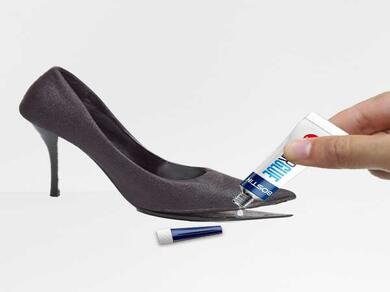
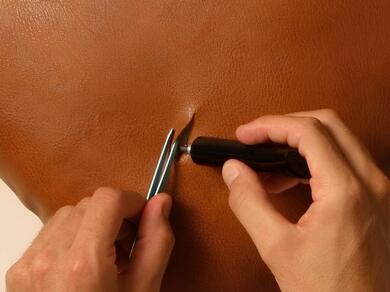
Use as a leather glue adhesive for repairing leather and imitation leather items such as shoes, belts, bags, handbags, luggage and upholstery. It can also be used for assembly and repair applications in and around the home where compatible materials need to be bonded.
Cleaning
- Remove surplus adhesive using nail varnish remover or acetone.
Limitations
Work on a protected area, as spills may damage sensitive surfaces such as polished, cellulose surfaces and fabrics. When bonding leather, avoid spills onto the shiny side because marks may be left. For non-absorbent surfaces, the bond is instant and non-adjustable once pressed together. Always read the Safety Data Sheet before use.
FAQs
Can Super Glue repair leather?
No, Bostik Super Glue is generally not the best choice for repairing leather. Leather requires an adhesive that remains flexible after curing so the repaired area can continue to bend and move without cracking.
For leather and imitation leather repairs, Bostik Leather Glue is the recommended option. It is designed to create a strong, flexible and water-resistant bond that helps deliver longer-lasting repair results.
How do I know how to stick two materials together?
Discover our new Bostik Glue Guide to discover what product to use.
How do you prepare surfaces before gluing?
Before applying adhesive, make sure both surfaces are clean, dry and free from dust, grease, oil, rust, loose material or other contaminants.
Removing residues and preparing the surfaces properly helps improve adhesion and gives the best chance of achieving a strong, durable bond.
How does viscosity affect adhesive performance?
Viscosity refers to how thick or fluid an adhesive is. Lower-viscosity adhesives flow more easily, while higher-viscosity adhesives are thicker and provide greater control during application.
The viscosity of an adhesive can influence how it spreads, fills gaps and performs on vertical surfaces, making it an important factor when selecting the right product for a project.
What is the shelf life of the adhesive I have bought and where can I store it?
The shelf life of adhesives varies from product to product, but typically ranges between one and two years from the date of manufacture when unopened and stored correctly in dry conditions - usually between +5°C and +25°C. Once opened, the life of the product will be more limited – this is dictated by variables including the type of adhesive, how it is stored, and how much adhesive is left unused. For more information, refer to the product’s Technical Data Sheet.
Stuck on what glue to use?
Use this guide to find out what product to use for your job.
Start the Glue Guide